
Why Password Managers Alone Aren’t a Complete Digital Legacy Plan
Password managers have become an important part of modern cybersecurity. They help users generate strong passwords, store credentials securely, and avoid reusing the same password across multiple accounts.
But while password managers are excellent for everyday credential security, they are not necessarily a complete solution for managing your digital legacy.
What Does a Password Manager Do?
A password manager is primarily designed to securely store and manage authentication credentials.
Depending on the platform, it may store:
-
Website passwords
-
Login usernames
-
Secure notes
-
Payment information
-
Recovery codes
-
Other credentials
Instead of remembering dozens of passwords, users generally need to remember one primary credential or use another secure authentication method to access their vault.
This provides significant convenience and security benefits.
Where Does the Digital Legacy Problem Begin?
The challenge is that your digital life contains much more than passwords.
Important information may include:
-
Legal and financial documents
-
Cryptocurrency information
-
Investment records
-
Private keys and recovery information
-
Personal files
-
Business documents
-
Instructions for beneficiaries
-
Important account information
A password manager may help protect some of these items, but simply storing credentials does not create a complete inheritance strategy.
The bigger question is:
What happens to this information if you are no longer able to manage it?
Secure Storage Is Only One Part of the Problem
A complete digital legacy plan needs to address both protection and future access.
During your lifetime, you want your information to remain private and protected.
At the same time, you may want specific people to receive access to specific information under predefined circumstances.
This requires more than simply sharing your master password with a family member.
Sharing a master password can expose everything in the vault and may bypass the carefully designed security controls that protect the information.
Beneficiary Management Matters
Digital inheritance requires controlled access.
Different assets may need to be assigned to different beneficiaries. Some information may be intended for family members, while other information may belong to business partners, legal representatives, or other trusted individuals.
A dedicated digital legacy system can provide mechanisms for organizing these assets and defining who should eventually receive access.
This allows inheritance planning to become a structured process rather than an emergency password-sharing exercise.
What About Inactivity?
Another important consideration is determining when an inheritance process should begin.
If a user stops interacting with their digital vault for an extended period, an inactivity-based mechanism can potentially initiate a predefined verification process.
However, this should not simply mean that access is immediately transferred.
A safer approach can involve notifications, verification steps, grace periods, and beneficiary confirmation before sensitive information becomes accessible.
Privacy Should Remain a Priority
A digital legacy system must balance two seemingly opposite goals:
Keep information private today.
Make appropriate information accessible tomorrow.
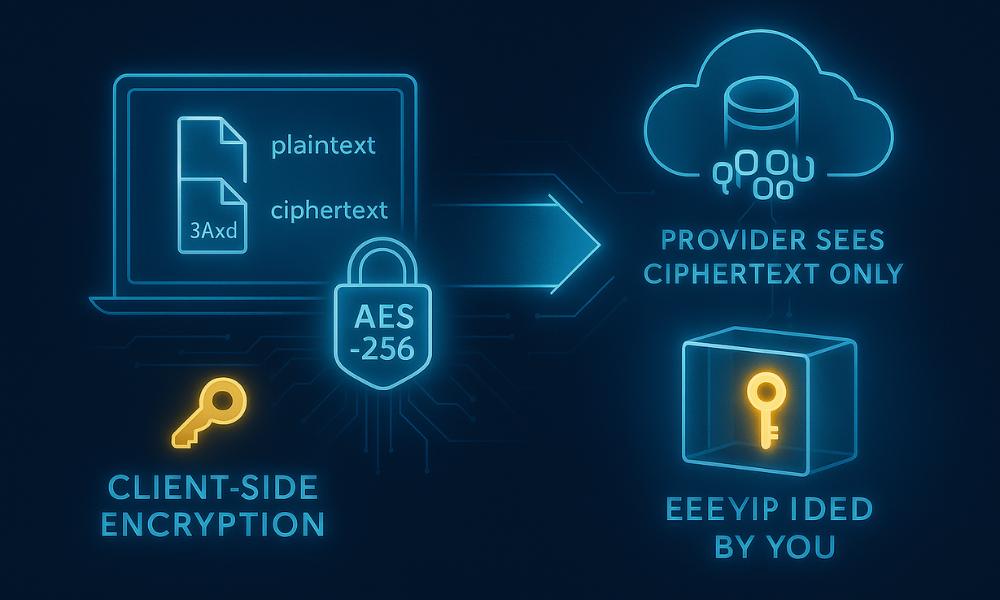
Strong encryption and controlled access can help achieve this balance.
The provider should not need unrestricted access to the user's sensitive information simply because the system supports inheritance functionality.
How Vaultix Goes Beyond Password Storage
Vaultix is designed around a broader concept of digital custody.
Instead of focusing exclusively on passwords, Vaultix provides a framework for protecting digital assets, sensitive documents, credentials, and information that may eventually need to be transferred to beneficiaries.
Its approach combines secure storage with beneficiary management and inheritance mechanisms, helping users plan for both present-day security and future access.
Final Thoughts
Password managers remain an important tool for protecting online accounts, but digital inheritance involves a much broader set of challenges.
Your digital legacy may include documents, financial information, digital assets, recovery information, and personal records—not just passwords.
A complete strategy should therefore consider secure storage, encryption, access control, beneficiary management, and planned inheritance.
A password manager can protect your keys. A digital legacy plan helps determine what happens to what those keys unlock.






Secure Your Digital Legacy Today
Begin protecting your assets with institutional-grade security. Setup takes minutes, protection lasts generations.